
Anyone who’s healed from a cut or a scrape has witnessed the incredible regenerative power of stem cells. These cells can create identical copies of themselves, creating new cells and tissues that replace damaged ones.
Stem cells are active in some areas of our body throughout our lives, like the skin and blood. But in many critical organs, including the heart and kidneys, stem cells are absent. When such tissues are damaged due to aging, injury or disease, they don’t regenerate, leading to devastating health consequences.
USC researchers are at the forefront of an emerging field called “clinical regenerative medicine,” which taps stem cells’ restorative powers to tackle some of the hardest-to-treat diseases, ranging from heart failure to blindness.
“We now have the ability through stem cells to generate replacement cells that we can use as therapeutics to rebuild the human body,” says Charles (Chuck) Murry, a renowned expert in regenerative heart medicine. In August, Murry joined Keck School of Medicine of USC as the new head of USC Stem Cell, chair of the department of stem cell biology and regenerative medicine, and director of The Eli and Edythe Broad Center for Regenerative Medicine and Stem Cell Research.
Launched in 2013, USC Stem Cell is a universitywide initiative that connects over 100 research and clinical faculty in multiple disciplines across USC and Children’s Hospital Los Angeles (CHLA) with the common goal of translating basic stem cell science into clinical therapies. It has matured over the past decade with support from the Eli and Edythe Broad Foundation as well as the California Institute for Regenerative Medicine (CIRM), a state organization created to accelerate stem cell research.
USC Stem Cell collaborators are employing stem cells to grow organ and tissue replacements, halt or reverse the progression of life-threatening diseases and create living models of human organs in the lab, providing novel platforms to screen for disease-fighting drugs.
“Clinical regenerative medicine is going to have an impact on par with antibiotics or vaccinations,” Murry says. “It’s going to be revolutionary.”
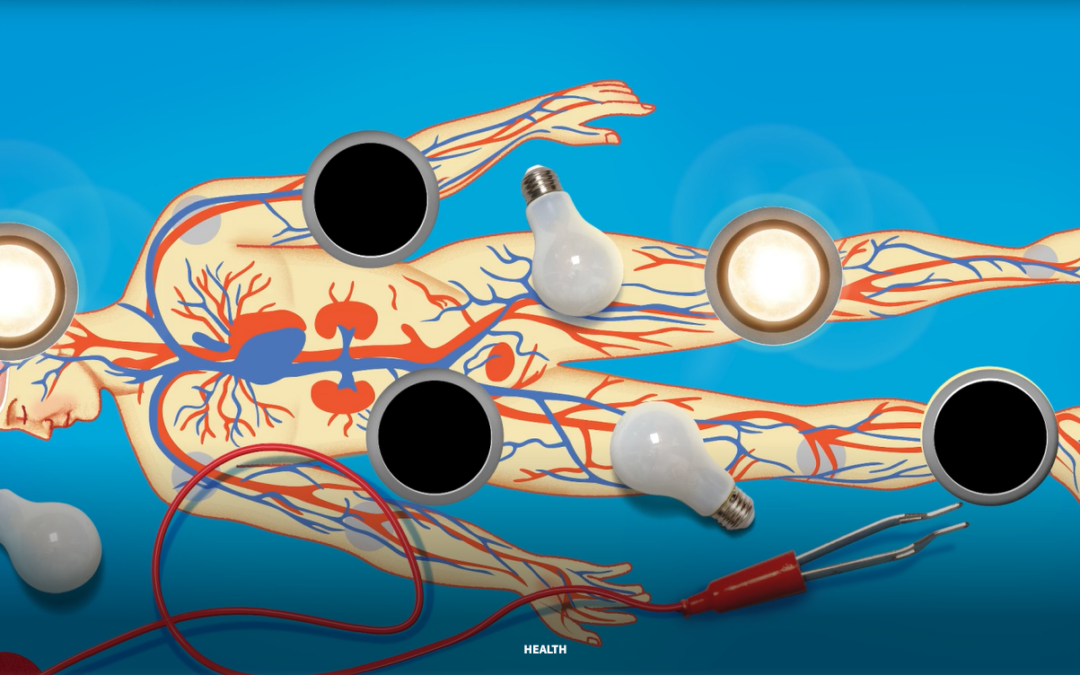
The stem cell projects currently underway across USC will transform treatments from our skull to our knee and many organs in between. As with the classic board game Operation, we’ve broken down a selection of these projects by body part — funny bone not included.
Continue reading the full article in USC Trojan Family Magazine