
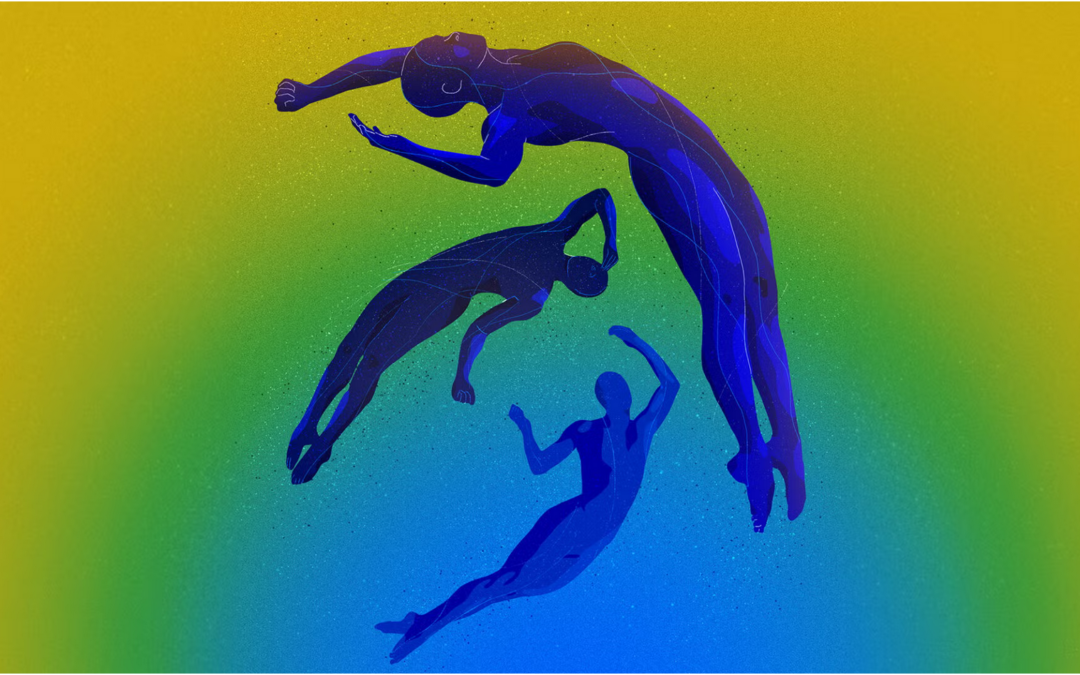
An Olympic long jumper stands poised at the edge of the runway, preparing to sprint toward the take-off board. Years of training have prepared her for the moment her feet will push off the ground, sending her airborne and delivering her into the sand with a force up to 12 times her body weight. The athlete’s performance rides on how effectively she will convert the horizontal energy of her sprint into the vertical energy she needs to ascend.
“You have to be able to control these forces strategically,” says Jill McNitt-Gray, a professor of biological sciences and biomedical engineering at the USC Dornsife College of Letters, Arts and Sciences who studies biomechanics in Olympic and Paralympic track and field athletes. “What happens in those last couple of steps is really important.”
But McNitt-Gray explains that the long jumper’s momentum isn’t the only kind of energy that’s crucial during those fateful footfalls. There’s also the caloric energy received through nutrition. The metabolic energy invested in building up the athlete’s bones and muscles to bear the load of the forces. The mental energy cultivated through a positive mindset. And the motivating energy from the roaring cheers of the crowd.
What the Olympic long jumper illustrates in bold strokes is that our bodies are energy made manifest. Though most of us will never tackle such challenging physical feats, we all utilize energy in this multitude of forms to survive and thrive.
Perhaps it’s no coincidence that when we make choices to optimize our energy — from eating healthy foods and staying active to thinking positively and nurturing meaningful connections — our well-being soars…